
The healthcare industry is undergoing a structural transition driven by data accessibility, clinical precision, and patient-centered care. At the heart of this evolution lies the Medical Health Record (MHR)—a comprehensive compilation of an individual’s medical history, clinical diagnoses, treatment plans, immunization dates, allergies, and diagnostic test results.
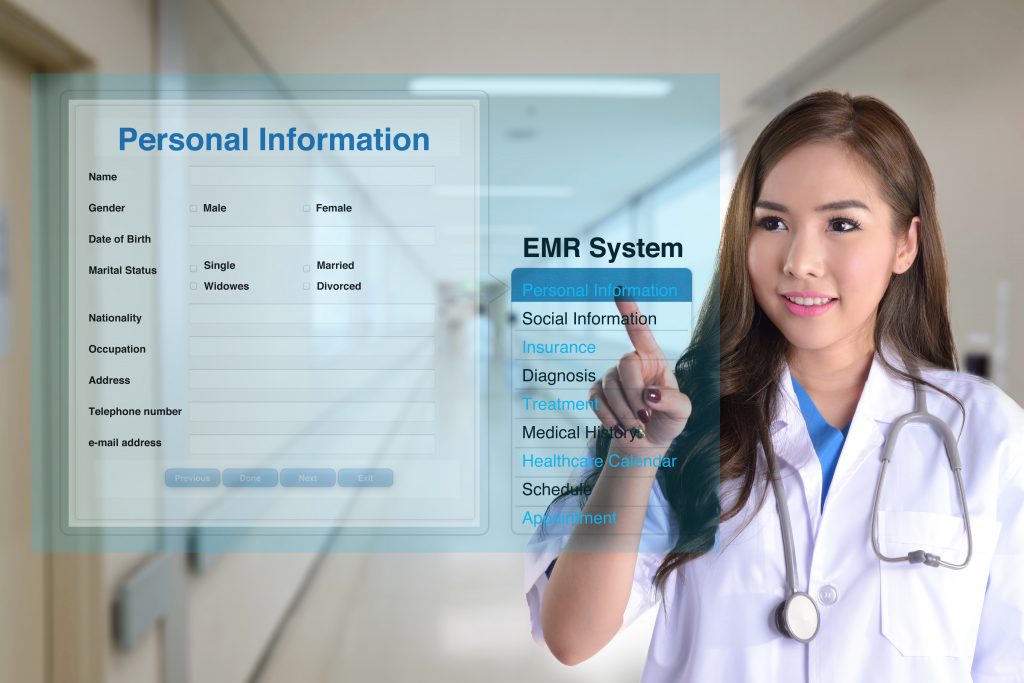
While health records were once static paper files stored in physical archives, today’s digital health infrastructure has transformed them into dynamic, interconnected assets. Understanding how modern health records function, where data privacy boundaries lie, and how interoperability shapes clinical outcomes is essential for both healthcare providers and patients navigating the modern medical ecosystem.
From Paper Archives to Integrated Electronic Frameworks
Historically, medical recordkeeping was fragmented. A patient visiting a primary care doctor, a specialist, and an emergency department often had three entirely separate paper charts. This fragmentation frequently led to redundant diagnostic testing, delayed interventions, and heightened risks of adverse medication interactions.
The transition to Electronic Health Records (EHRs) and Electronic Medical Records (EMRs) resolved many of these structural inefficiencies. Although the terms are often used interchangeably, they represent distinct scopes:
- Electronic Medical Records (EMRs): Digital versions of paper charts used within a single clinical practice or facility. EMRs enable clinicians to track patient data over time within that specific environment.
- Electronic Health Records (EHRs): Broader digital assets designed to share information across multiple healthcare providers, laboratories, specialists, and medical facilities, creating a holistic view of a patient’s long-term health history.
This transition from localized documentation to broader data ecosystems marks a fundamental shift toward data-driven medicine.
The Core Pillars of Effective Health Record Systems
For a medical health record system to deliver real clinical value, it must balance structural complexity with operational usability. The core components of a robust health record infrastructure include:
1. Clinical Data Standardization
For medical records to be useful across different health systems, data must be structured using standardized clinical terminologies, such as SNOMED CT, ICD-11, and LOINC. Standardized inputs ensure that a diagnosis or laboratory result recorded in one hospital is interpreted identically by a provider in another facility.
2. Data Integrity and Accuracy
Clinical decision-making relies directly on data quality. Inaccurate documentation—whether an unrecorded allergy or a mistyped dosage—can result in severe clinical errors. Modern platforms utilize real-time validation checks and automated clinical decision support systems (CDSS) to flag potential discrepancies before care is delivered.
3. Patient Access and Engagement
Modern health record systems increasingly prioritize patient access through integrated web and mobile portals. When patients can review their lab results, track ongoing treatment protocols, and correct demographic or historical inaccuracies, overall care engagement and health literacy increase significantly.
Interoperability: The Unresolved Health Data Challenge
Despite major technological advances, achieving seamless interoperability—the ability of different information systems to exchange and interpret shared data—remains one of the healthcare sector’s most complex challenges.
Healthcare networks often run on proprietary software platforms that do not communicate easily with competing systems. When information cannot flow smoothly across organizational boundaries, care continuity suffers.
To bridge this gap, modern health IT architectures rely on emerging standards like Fast Healthcare Interoperability Resources (FHIR). FHIR utilizes web-based API frameworks, enabling distinct healthcare applications to securely request and exchange specific data packets without requiring complete system overhauls. As regulatory bodies push for open API adoption, seamless cross-institutional data sharing is moving closer to an industry baseline.
Safeguarding Medical Data: Privacy, Security, and Governance
Because medical records contain deeply personal information, they are prime targets for cyber threats, unauthorized access, and data breaches. Establishing rigorous data governance frameworks is critical to maintaining patient trust and regulatory compliance.
Core measures for securing medical health records include:
- End-to-End Encryption: Protecting data both in transit across network nodes and at rest within database servers.
- Granular Access Controls: Utilizing role-based access control (RBAC) to ensure that clinicians and administrative staff only view data necessary for their specific role in patient care.
- Audit Logging: Maintaining immutable logs that track every instance of record access, modification, or export.
- Regulatory Compliance: Adhering to strict international and regional legal frameworks, such as HIPAA in the United States, GDPR in Europe, and equivalent national health data regulations.
Ensuring robust security protocols allows healthcare organizations to innovate with digital health tools without compromising patient confidentiality.
The Road Ahead: Artificial Intelligence and Decentralized Records
The future of medical health records lies at the intersection of predictive analytics and patient-controlled data networks.
Artificial Intelligence (AI) and Machine Learning (ML) are increasingly integrated into health record platforms to analyze unstructured clinical notes, predict disease onset, and identify high-risk patient populations. By turning passive health records into active diagnostic aids, AI can help clinicians detect subtle patterns that might otherwise go unnoticed.
Simultaneously, discussions around decentralized health records and patient-centric data ownership are gaining momentum. Emerging models explore using cryptographic security to give patients direct ownership of their health data, allowing them to grant or revoke provider access using secure digital keys.
Conclusion
The medical health record has evolved from a passive, administrative paper file into the core engine of modern healthcare delivery. While challenges surrounding system interoperability, data privacy, and clinical workflow integration persist, the trajectory is clear: medical records are becoming more integrated, intelligent, and accessible. By prioritizing data security, open communication standards, and patient engagement, the global healthcare ecosystem can unlock the full potential of digital health data to improve patient outcomes worldwide.
